


Prijava
Še niste registrirani? Vpišite seZa prijavo na dogodek se morate naprej registrirat na naši spletni strani.
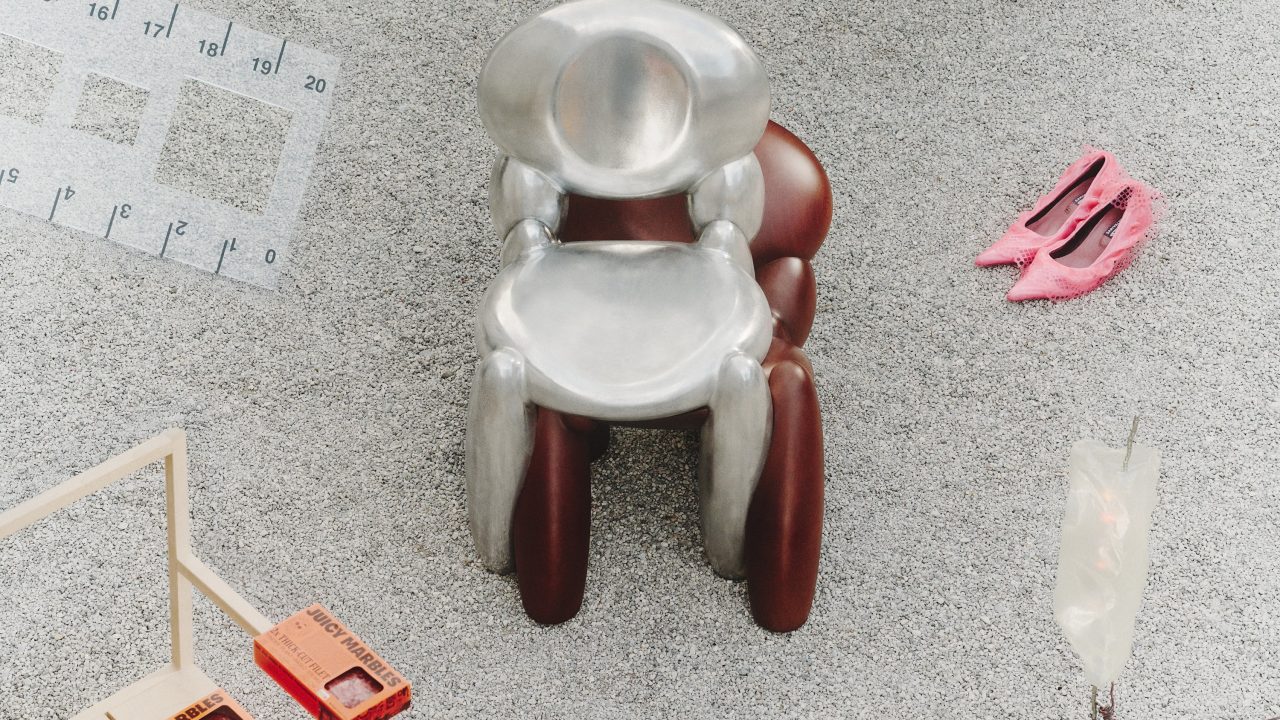
Center for Creativity invites you to visit the exhibition House of Creatures, curated by an international interdisciplinary group of authors: Ryan Barriball, Sera Eravci, Urša Gantar, Tine Tribušon, Gašper Uršič, and Vid Žnidaršič.
The project was selected through a public call by the Center for Creativity as the curatorial proposal for the national presentation of contemporary Slovenian design. Milan Design Week, taking place this year from April 20 to 26, is considered one of the most important international platforms for presenting contemporary design.
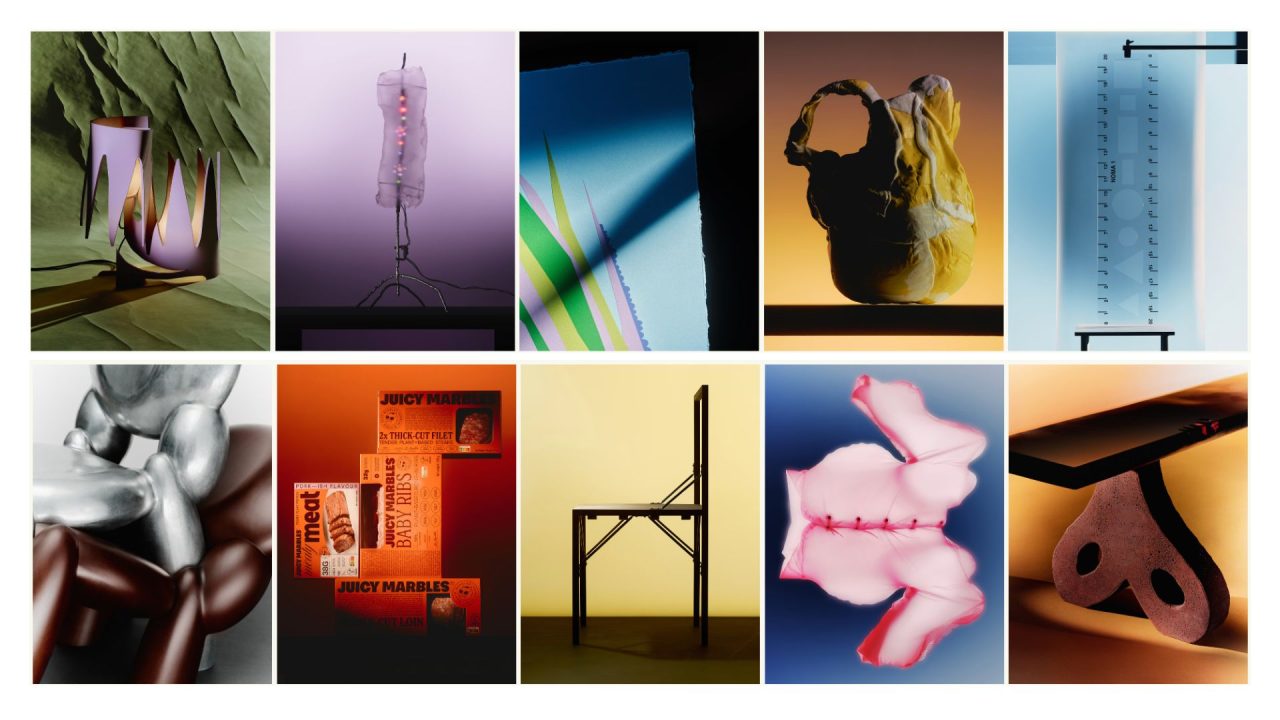
House of Creatures brings together works by ten contemporary Slovenian design practices, treating them not as products but as creatures—entities with their own presence, behavior, and relationships. The exhibition, set in the former military hospital Baggio, is conceived as a shared habitat in which objects stretch, sag, grow, and disrupt. In doing so, they challenge established expectations of function, scale, and identity, and position design as a network of relationships between objects, spaces, bodies, and imagination.
Participating in the exhibition are: Lara Bohinc, Juicy Marbles, Soft Baroque, Dan Adlešič, Sari Valenci, Maruša Sagadin, Lucija Rosc, Nejc Prah, Janez Suhadolc and Toasted Furniture.
Photo: Klemen Ilovar
Location
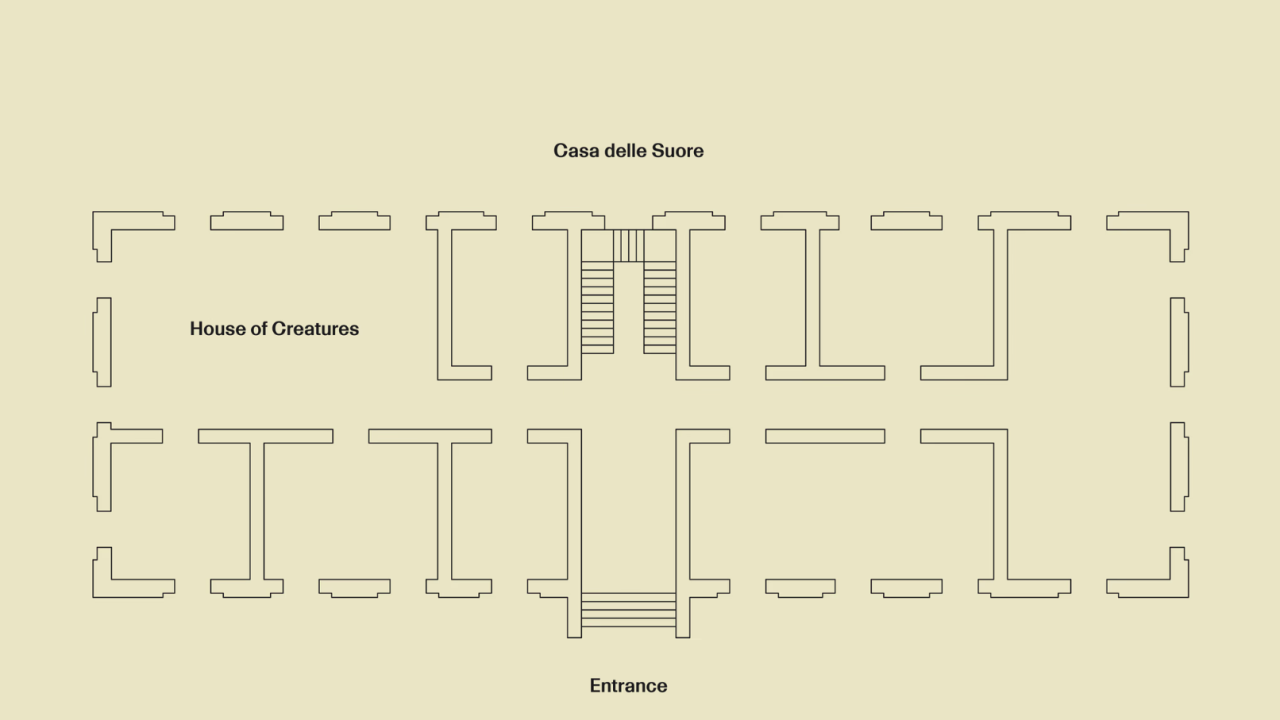
Casa delle Suore
Prostor C6
Baggio Military Hospital, Milano
Welcome!
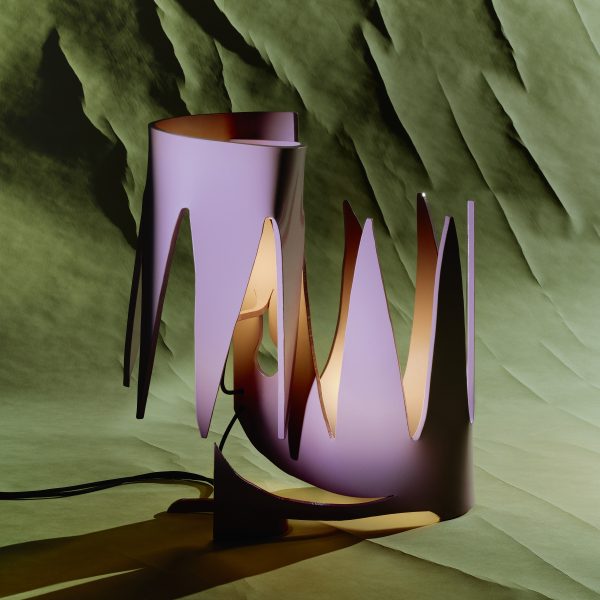
Soft Metal Table and Soft Metal Light by Soft Baroque
Two new pieces from Soft Baroque’s ongoing Soft Metal series, in which metal appears to bend, soften, and misbehave. Each object is cut from a 10 mm aluminium plate and formed through a process of cutting, heating, and physical manipulation, without specialised tooling, presses, or moulds. Rather than being predetermined, the form emerges through action. The resulting pieces bear visible traces of this process, carrying a sense of tension between control and resistance.
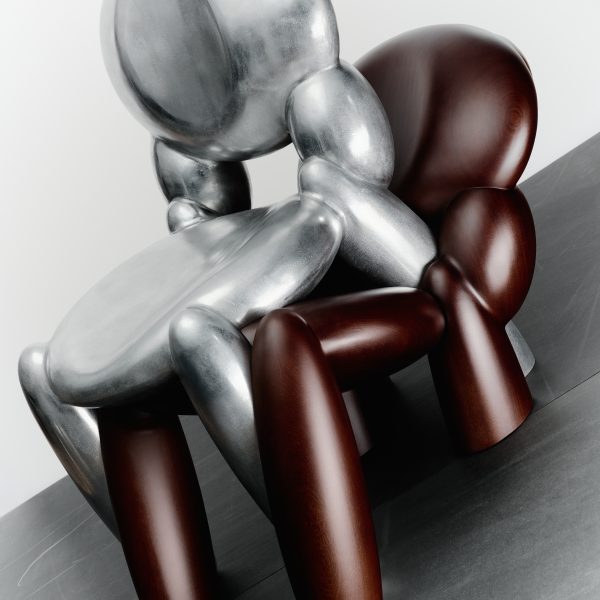
Compulsion Chair by Lara Bohinc
The Compulsion Chair is both a chair and a relationship between two chairs. A metal chair is physically held within the arms of a wooden one, which appears to grip it tightly, preventing it from existing independently. This arrangement complicates its function: while the object resembles furniture, its logic becomes behavioural rather than ergonomic. The chairs are locked in a permanent embrace that prioritises their interaction over usability, introducing a subtle misbehaviour. The wooden form reads as protective, or perhaps possessive, wrapping itself around the cooler, more mineral presence of the metal chair.
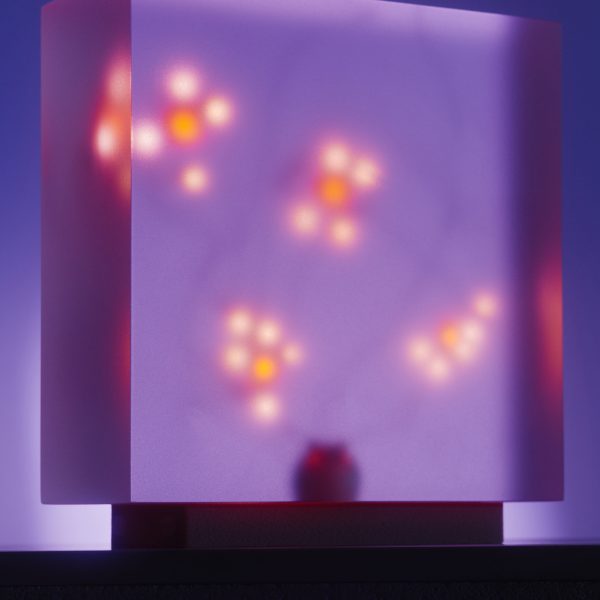
Flower Lamp series by Dan Adlešič
A series of light objects that exist somewhere between lamp, sculpture, and organism. Extending Adlešič’s ongoing exploration of decorative lighting, the works ask what forms LED-based objects might take when freed from conventional design expectations. Each lamp is brought to life through a distinct materiality and process, from collagen sheets and welded metal structures to 3D-printed components and modular attachments. While they emit a soft, atmospheric light, their primary presence is sculptural. They behave less like functional fixtures and more like growing entities: slightly uncanny and alive.
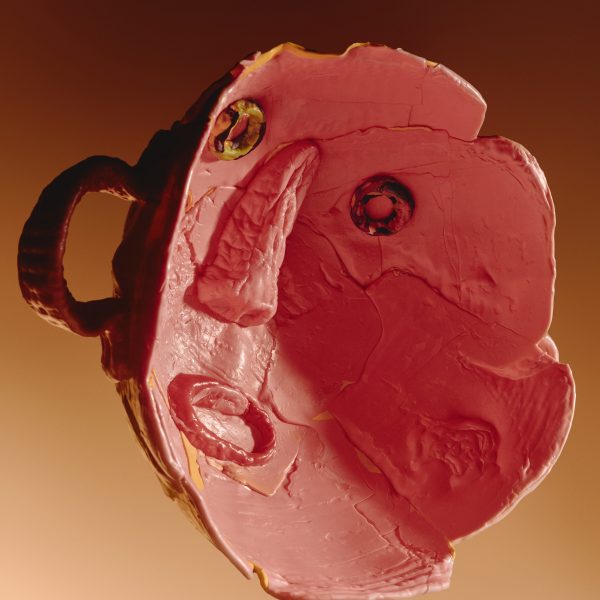
Toasted Vessels by Toasted Furniture
A series of vessels formed from discarded plastic waste, shaped by hand while the material is softened with heat, putting it in a transitional, pliable state. As the plastic cools, it settles into organic forms marked by folds, distortions, and traces of its transformation. While the objects remain functional – able to hold water, flowers, or everyday items – their origin and appearance shift expectations of use.
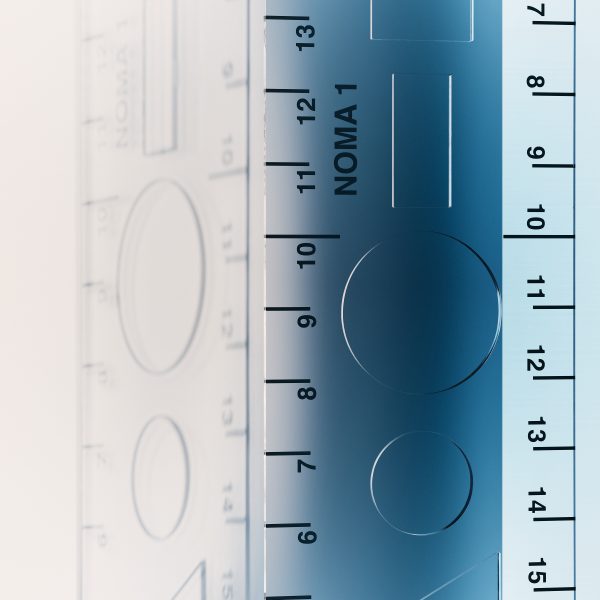
Noma 1 (10:1) by Lucija Rosc
Noma 1 (10:1) is a ten-times enlarged version of the artist’s childhood ruler. Originally designed for precision and control, it is now too large to serve its intended purpose, thus becoming both monumental and fragile. The enlargement transforms a simple tool into a presence that carries collective memory, order, and the desire for perfection, while simultaneously revealing its limitations. The work reflects on the tension between structure and play, existing somewhere between instrument and image.
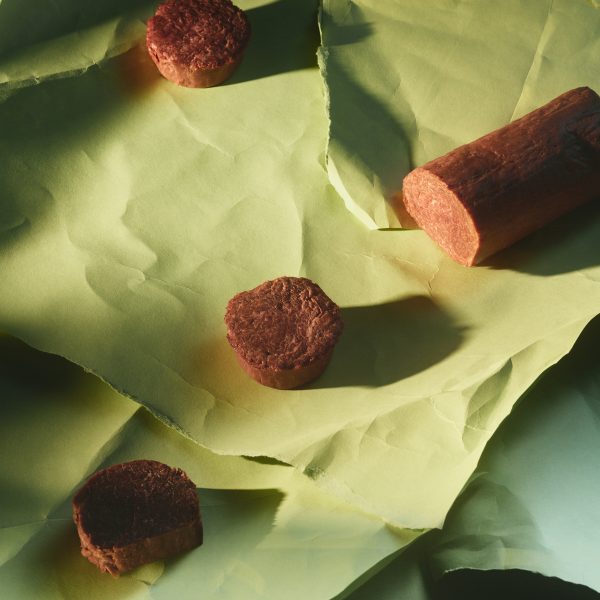
Various cuts of plant meat: Thick-Cut Filet, Meaty Meat Pork-Ish, Baby Ribs, Whole-Cut Loin by Juicy Marbles
A series of plant-based meats presented as edible, designed objects. Its marbled structure is engineered to replicate the appearance and texture of meat. As a “creature”, it occupies an unusual position, both familiar and artificial. It invites consumption while simultaneously prompting reflection on its material, origin, and authenticity. Here, food becomes a site of design experimentation, where the boundaries between the natural and the constructed are deliberately blurred.
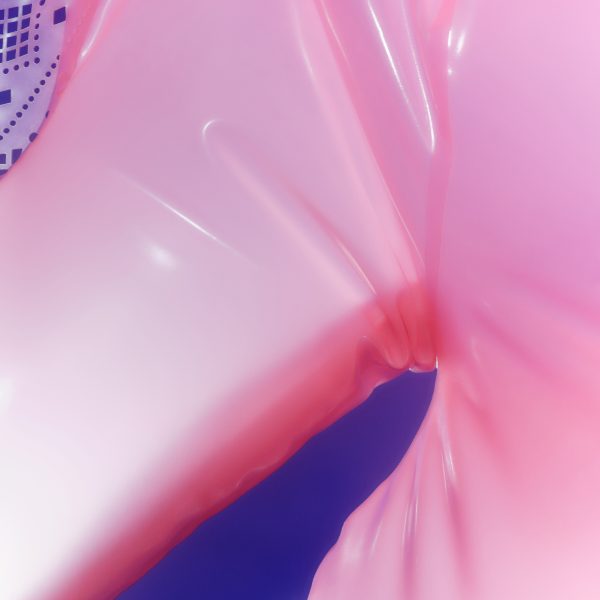
Inflatable garments from the collection MERINGUE by Sari Valenci
A series of inflatable garments that exaggerate the body into theatrical, confection-like forms. Drawing inspiration from the visual excess of children’s parties, such as balloons, glittering decorations, and cake toppers, the pieces transform the wearer into a moving spectacle. The work celebrates playful exaggeration and excessive ornamentation, exploring scale and texture, and turning the body into a site of fantasy and spectacle.
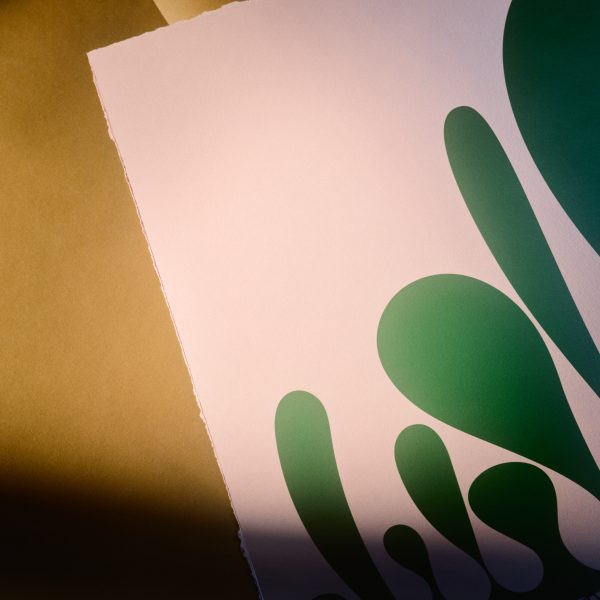
Seasons 13 (songino) and Seasons 14 (carciofo) by Nejc Prah
Seasons is an evolving series of 14 screen prints that function as a calendar of seasonal food. Each print depicts a fruit or vegetable in season for a given month, with its availability tied to the local market from which Prah sources the produce. If an item is unavailable, the print is considered “out of season”. The series follows the natural seasonal cycles of Ljubljana, with selected exceptions, such as songino and carciofo, which are introduced for Milano Design Week. Both local to the Milan area, they align with the timing of the exhibition, connecting the works to cycles of growth and distribution while reflecting their immediate local context.
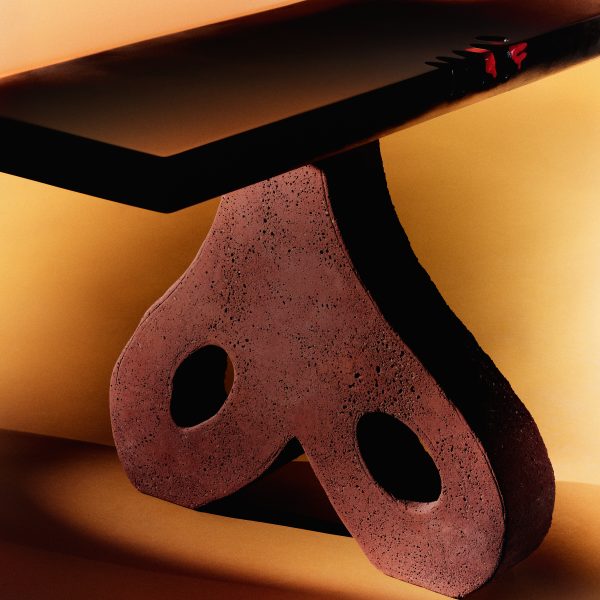
Die Flügelmutter (Schwarz) by Maruša Sagadin
A sculptural bench that addresses the viewer directly. With its exaggerated form and polished surfaces, the object carries an implicit invitation: sit, touch, engage. Rather than being passive, the bench actively dictates posture, requiring the body to lean forward, grip, and adjust. Interaction becomes slightly choreographed, turning a simple act of sitting into an intentional, physical encounter. Through this, the object dissolves the boundary between sculpture and user. It becomes both functional and performative: a structure that shapes behaviour while inviting participation.
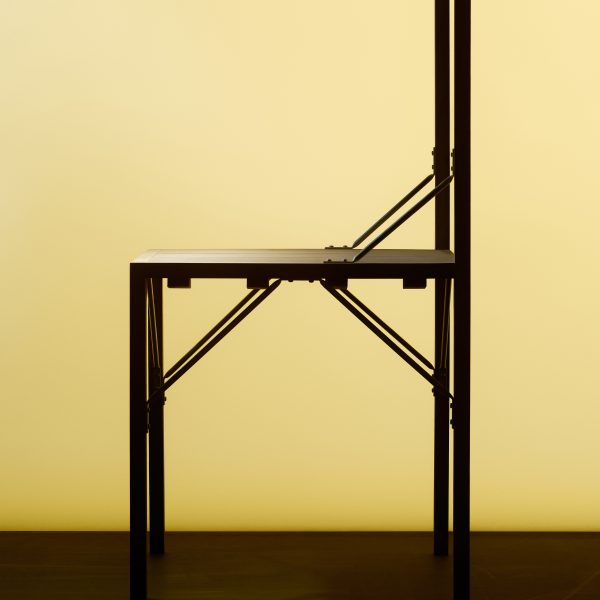
Iterations of the iconic Lajt chair family: Lajt Chair and Lajt Bench by Janez Suhadolc
Originally conceived through an exercise in material economy, the Lajt chair is constructed from slender wooden rods reinforced with minimal aluminium elements to achieve both lightness and structural strength. Despite its delicate appearance, the chair is capable of supporting a person’s weight. Over time, the design has expanded into an extensive family of variations, from stools and benches to experimental iterations with different materials and forms, all while maintaining its recognisable structure. Throughout these versions, the chair remains both a functional object and an ongoing exploration of balance, efficiency, and form.
Part of the following programme:
House of Creatures
Contemporary Slovenian Design at Milano Design Week 2026